Stay Up To Date With Slidebuys
Get in-store discounts, giveaways, tips, and useful advice by joining our Slide buys customer rewards & newsletter for free.
[yikes-mailchimp form="1"]
Use this alpine crossing gear example to pack for Tongariro’s changing conditions, with practical clothing, food and day-pack advice for walkers well.
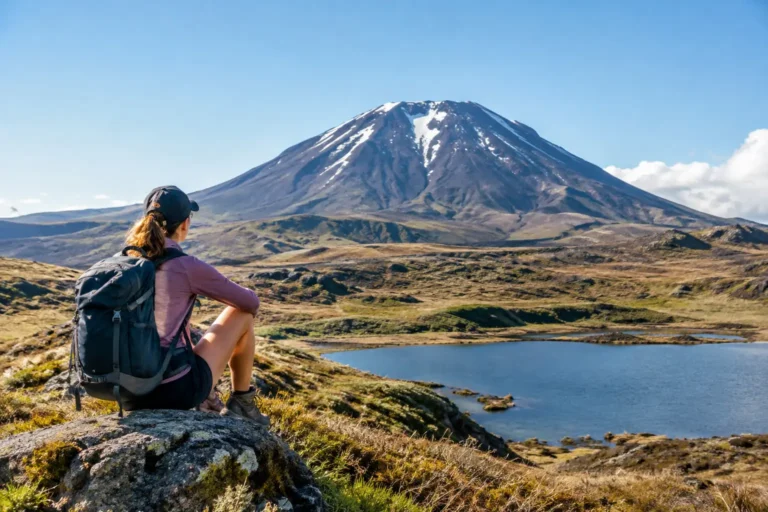
A well-packed day pack makes the Tongariro Alpine Crossing feel like the brilliant alpine experience it is: volcanic scenery, wide-open views and a proper sense of achievement at the end. This alpine crossing gear example is designed for walkers planning a full-day trip, whether it is your first major hike or one of many New Zealand tracks you have completed.
The crossing is not a casual stroll, but it is very achievable with suitable preparation, sensible pacing and clothing that works across changing conditions. The key is to pack for the exposed alpine environment rather than the temperature you feel when leaving National Park Village in the morning.
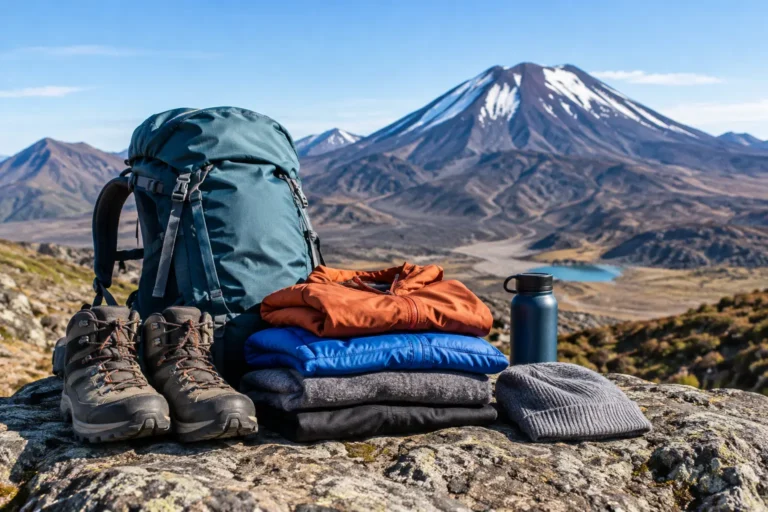
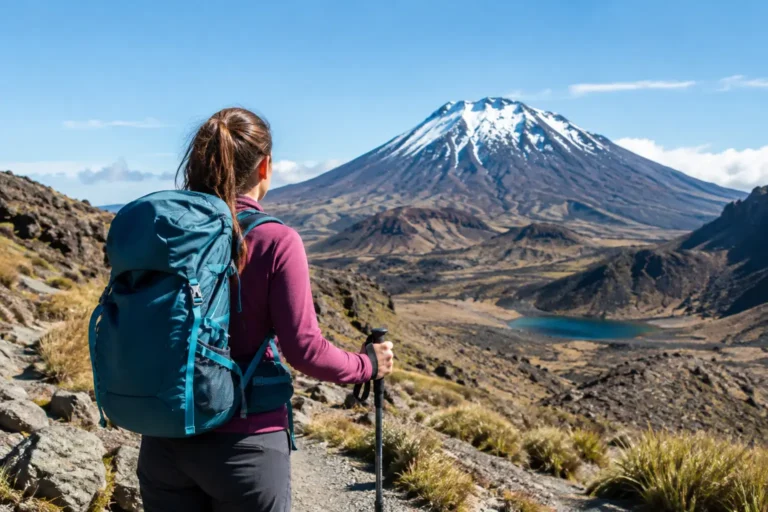
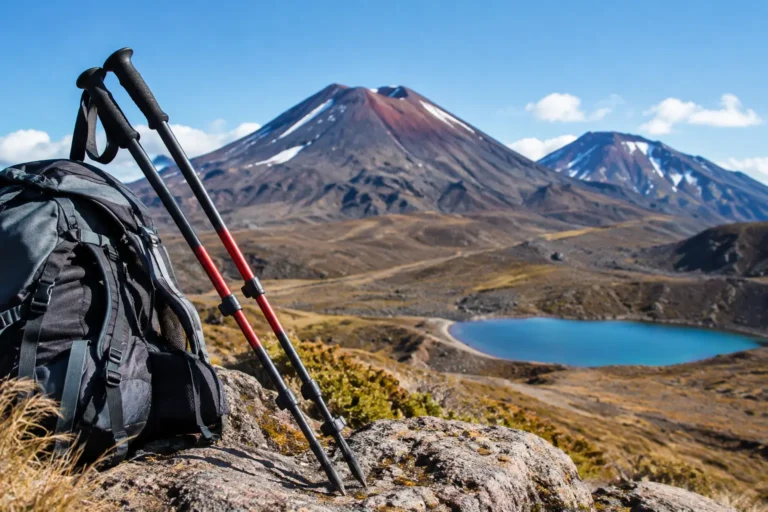
Most walkers need a comfortable 25 to 35-litre day pack. It should have enough room for extra layers, food, water and weather protection without becoming so large that you are tempted to overpack. A pack with supportive shoulder straps and a waist belt is a worthwhile choice, particularly if you are new to carrying gear over a long distance.
Put heavier items, such as water and lunch, close to your back and around the middle of the pack. Keep your waterproof jacket somewhere you can reach without unpacking everything. Snacks, sunscreen and a map or mobile should be easy to access too.
A pack liner or dry bag is useful for keeping spare clothing dry. The Tongariro landscape can be dry and sunny one moment, then misty or wet later in the day. Looking after dry layers gives you more options when you stop for lunch or the weather changes.
The most useful approach is layering. One large, bulky jacket can feel warm at the car park but become uncomfortable once you start climbing. Several lighter layers let you add or remove warmth as your effort level and the conditions change.
For a typical summer or shoulder-season crossing, your clothing system should include:
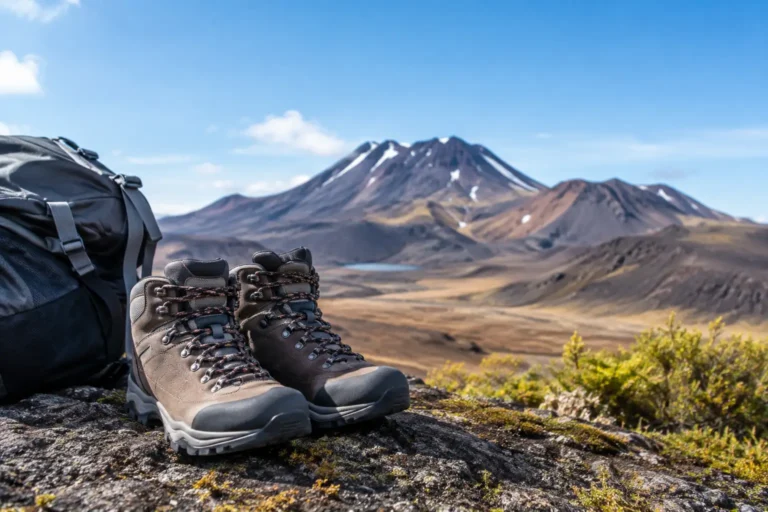
Avoid cotton T-shirts, jeans and casual fashion shoes. Cotton holds moisture and becomes cold when wet, while jeans restrict movement and take a long time to dry. Footwear does not need to be heavy mountaineering boots, but it does need reliable tread, room for comfortable socks and enough support for uneven volcanic ground.
In high summer, it can be tempting to pack only shorts and a light top. Plenty of walkers begin the day that way, but warm layers and full leg coverage still belong in the pack. Higher sections of the crossing are exposed, and a cool wind can change how the day feels quickly.
Winter travel on the Tongariro Alpine Crossing requires specialist preparation and experience. Snow, ice, shorter daylight hours and route-finding conditions can change the requirements substantially. Depending on conditions, walkers may need equipment such as crampons and an ice axe, along with the knowledge to use them correctly.
For winter, use current track and weather information to decide whether the crossing suits your group and experience. A guided option can be a sensible choice for visitors without alpine skills. The same principle applies year-round: plan for the conditions on the track, not the conditions in town.
The crossing is commonly a full day on foot, and there are no shops or reliable places to refill along the route. Bring enough water for your own needs, with many walkers carrying around 1.5 to 2 litres as a starting point. On hot days, or for people who know they drink more while exercising, extra water may be needed.
Choose food that is easy to eat while walking and gives steady energy. Sandwiches or wraps make a solid lunch, while fruit, muesli bars, trail mix, crackers and cheese are handy throughout the day. Add a few foods you genuinely enjoy eating. A favourite snack can be surprisingly welcome near the end of a long climb.
A small thermos can be a nice addition on a cooler day, but do not let it take the place of drinking water. If you carry a hot drink, keep it well sealed and balance the extra weight against the forecast and your pack space.
A few compact essentials improve comfort and help you stay organised through a long day outdoors. Pack sunscreen and sunglasses, even if the forecast looks cloudy. UV levels can be strong at altitude, and the volcanic terrain offers little shade in many places.
Take any personal medication, blister plasters, a basic first-aid kit and a fully charged mobile phone. A power bank is useful if you are relying on your phone for photos, transport arrangements or route information. Download any information you may need before leaving, as mobile coverage is not something to depend on across the track.
You should also carry toilet paper and a rubbish bag. There are facilities at key points, but the simple standard is to leave the landscape as you found it. Pack out every wrapper, tissue and food scrap, including biodegradable items such as banana peels.
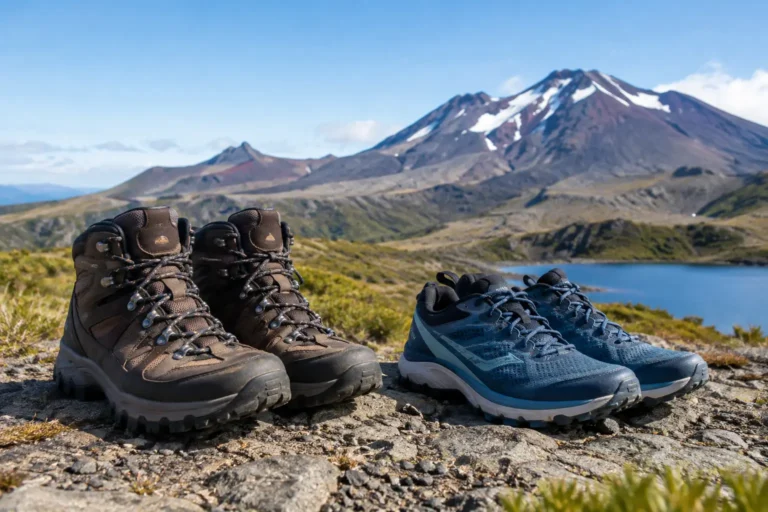
There is no single best shoe for every walker. Some experienced hikers prefer trail shoes for their lighter weight, while others are happier in ankle-height walking boots. What matters is fit, grip and familiarity.
Do not buy new footwear the evening before the crossing and expect it to feel perfect over a full day. Wear your chosen shoes on several walks beforehand, with the same socks you intend to use on the track. Check that your toes do not hit the front on downhill sections and that your heel stays reasonably secure.
If you are bringing boots from overseas, remember that Tongariro’s terrain includes loose scoria, rock and long descents. Good tread matters more than how expensive the footwear is. A pair that has been comfortable on city footpaths may not be the right choice for an alpine day walk.
Most walkers use a shuttle because the crossing is a one-way route. Confirm where your transport drops you off, where it collects you, and the latest time you need to be at the finish. That timing should shape your start time, food breaks and pace.
Pack your gear the night before, then check the latest forecast and track advice in the morning. If rain or wind is expected, put your waterproofs and gloves near the top of your pack. If it is clear and warm, make sun protection easy to reach. This takes only a few minutes and makes the day run more smoothly.
If you are staying in National Park Village, local outdoor staff can help you think through your layers, footwear and day-pack setup before you head out. The Alpine Centre has long helped visitors prepare for Tongariro National Park conditions, and practical local advice is especially helpful when you are uncertain about what the forecast will feel like on the mountain.
Use this alpine crossing gear example as a starting point, not a fixed rulebook. A fit local walker on a settled summer day may carry less water and fewer warm layers than a family visiting from a tropical climate, while another group may prefer extra food, a warmer insulated layer and more conservative footwear.
What should stay consistent is the preparation: suitable shoes, layers for warmth and rain, enough food and water, sun protection, and a pack that is comfortable to carry all day. Set yourself up well, leave time to enjoy the views, and let the crossing be the memorable part of your Tongariro visit.