Stay Up To Date With Slidebuys
Get in-store discounts, giveaways, tips, and useful advice by joining our Slide buys customer rewards & newsletter for free.
[yikes-mailchimp form="1"]
Plan a comfortable Crossing with tramping boots hire Tongariro visitors can rely on: fitting advice, sock tips and practical alpine gear guidance here
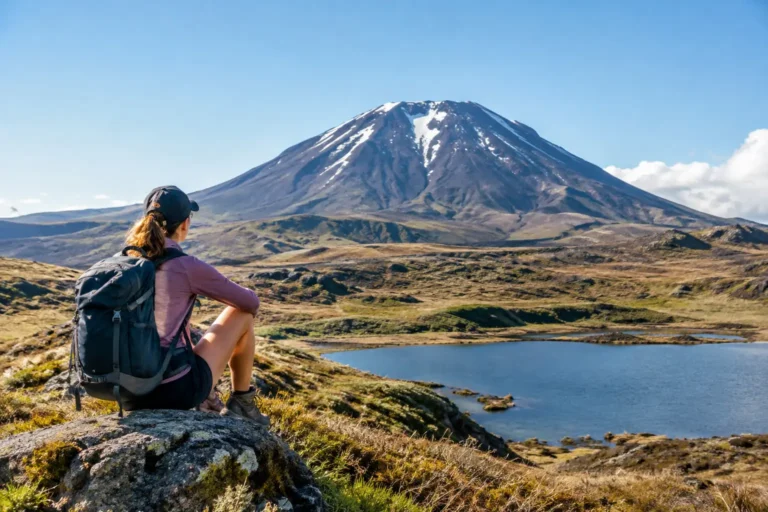
The Tongariro Alpine Crossing is a day out to remember: volcanic terrain, wide-open views and a real sense of being in the heart of the central North Island. Choosing tramping boots hire Tongariro visitors can collect close to the track is one of the simplest ways to arrive prepared, particularly when you are travelling light or do not own footwear suited to an alpine walk.
Good boots do more than keep your feet comfortable. They give you grip over loose volcanic ground, support through long descents and help you stay focused on the landscape rather than every step. The right pair is not necessarily the stiffest or heaviest boot on the shelf. It is the pair that fits your feet, suits the day’s conditions and works with the socks you plan to wear.
The Crossing covers varied ground in one day. Depending on your route, you may walk over formed track, uneven rock, scoria, boardwalk, gravel and steep sections where secure footing matters. Conditions can also feel very different between the start and finish of the track. A clear, warm morning can still give way to wind, rain or low cloud higher up.
Purpose-built tramping boots are designed for this kind of work. Compared with casual trainers, they generally provide a more supportive sole, deeper tread and better protection around the foot. They are also a practical choice if your own shoes are already worn, lack grip or are unlikely to stay comfortable over a long day.
Hiring makes particular sense for overseas visitors, people adding the Crossing to a wider New Zealand trip, and walkers who only occasionally head into alpine terrain. You avoid carrying bulky boots for the rest of your journey while still having suitable footwear for the day that counts.
There is a trade-off. Boots always feel best once they have been worn in over several walks, so hiring does not replace the comfort of a trusted personal pair. A careful fitting, appropriate socks and enough time to walk around in the boots before departure make a meaningful difference.
Fit comes first. A boot can look right and still cause trouble if it is too short, too loose through the heel or too narrow across the forefoot. Try boots on later in the day if possible, when feet are naturally a little fuller, and wear the socks you expect to use on the track.
Your toes should have enough room to move without sliding forward when you walk downhill. This is especially important on Tongariro’s descents, where repeated pressure at the front of the boot can quickly become uncomfortable. At the same time, your heel should feel held in place. A small amount of movement may be normal, but obvious heel lift is a sign to try another size or shape.
Walk around on a firm surface before settling on a pair. Pay attention to pressure across the top of the foot, rubbing at the ankle and any pinching around the little toes. These minor sensations are worth addressing while you are still at the fitting stage. They rarely improve after several hours on the track.
Lacing changes the feel of a boot more than many walkers expect. A secure, even lace-up helps hold the heel back while avoiding excess pressure over the instep. Staff can show you a simple adjustment if the boot feels loose around the ankle or tight through the top of your foot.
Bring or wear hiking socks rather than thin everyday socks. A good hiking sock adds cushioning, helps manage moisture and reduces friction inside the boot. Thick socks are not automatically better, though. If they make the fit cramped, they can create pressure points.
Avoid trying a completely new sock-and-boot combination for the first time at the track start. Put everything on before you leave, take a short walk and make sure the fit still feels right. Carrying a spare dry pair of socks can also be a welcome comfort if the day turns wet.
Tongariro is not a place to choose footwear by appearance alone. The terrain can be firm and dry underfoot one week, then loose, wet or cold the next. On scoria slopes, a sole with reliable tread helps you keep steady footing. On uneven ground, ankle support may be useful for walkers who prefer extra stability or are carrying a fuller day pack.
That said, higher boots are not essential for every person. Some experienced walkers are comfortable in lower-cut hiking shoes when conditions are suitable and their footwear has adequate tread. For many visitors, however, a proper tramping boot offers a reassuring balance of grip, protection and support for a long alpine day.
The forecast, recent weather and the track advice available on the day should guide the final decision. If colder, wetter or more changeable conditions are expected, boots become even more valuable as part of a wider clothing and equipment plan. Footwear works alongside warm layers, waterproof outerwear, food, water and sun protection. No single item does the whole job.
The best time to organise footwear is before the morning of your walk. Allow enough time for sizing, fitting and a few minutes of walking around. This is particularly useful if more than one person in your group needs equipment, or if you are coordinating your gear with a shuttle booking.
Be open about your experience level and any previous foot issues. If you know that you often get blisters on your heels, need room for a wide forefoot or have a preferred level of ankle support, say so. Local staff can make more useful recommendations when they understand how you walk and what you need from the boot.
At The Alpine Centre in National Park Village, walkers can sort suitable hire gear, practical local advice and transport planning in one stop. That is helpful when your itinerary is tight and you would rather spend your evening preparing for the track than driving between different places.
When collecting boots, check the soles, laces and overall condition with the team. Put both boots on, not just one, and take the time to test the fit properly. Ask what to do if the weather changes or if track conditions mean extra equipment is recommended. A few clear questions before setting off can make the morning feel much more straightforward.
A well-fitted boot gives you a strong start, but how you use it over the day matters too. Keep laces secure, especially before a long descent, and stop early if you notice a hot spot developing. A small adjustment to a sock or lace can be far easier than continuing until rubbing becomes painful.
Keep your feet as dry as conditions allow. If rain or puddles are expected, waterproof boots and rainwear can help, but water can still enter from above in prolonged wet weather. Spare socks in a dry bag are a sensible addition to your pack.
It also pays to trim toenails before a big walk and avoid wearing brand-new thin socks. These are ordinary preparations, but they can improve comfort noticeably after hours on the move. For a track like Tongariro, comfort is built from several small decisions made well.
Before you leave for the Crossing, take one last walk around in your hired boots with your day-pack on. If they feel secure, balanced and comfortable while you are still in the village, you can step onto the track ready to enjoy the ground beneath you and the views ahead.