Stay Up To Date With Slidebuys
Get in-store discounts, giveaways, tips, and useful advice by joining our Slide buys customer rewards & newsletter for free.
[yikes-mailchimp form="1"]
Plan a better Tongariro trip with this summer adventure rental guide, covering day packs, e-bikes, hiking layers, fit checks and local transport advice.
A good summer day around Tongariro starts with the right gear at your feet, a pack that sits comfortably on your back, and a plan that suits the day you actually want to have. This summer adventure rental guide is for walkers, riders, families and groups using National Park Village as their base for hiking, biking and exploring the volcanic plateau.
Tongariro National Park offers a remarkable range of days out. You might be setting off early for the Tongariro Alpine Crossing, taking a shorter walk with the family, riding local trails, or simply spending a few nights under canvas. Each option needs slightly different equipment, and hiring lets you choose what fits the trip rather than filling the car with gear you may only use once.
The most useful question is not, “What can I hire?” It is, “What am I doing, for how long, and in what conditions?” A day on a well-formed short track has different needs from a full-day alpine walk. Likewise, an e-bike outing is more enjoyable when the bike size, route and battery range match the rider.
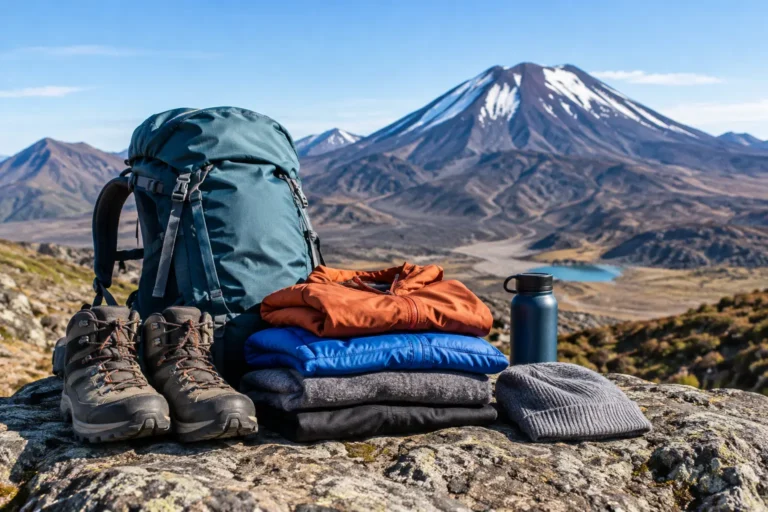
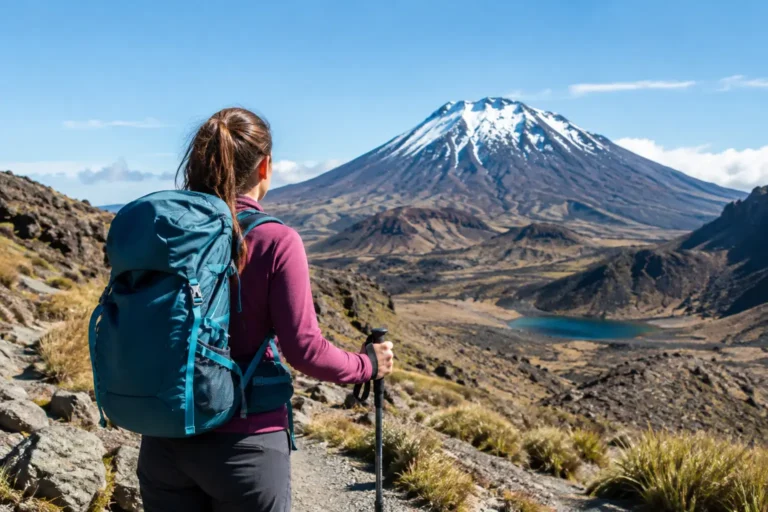
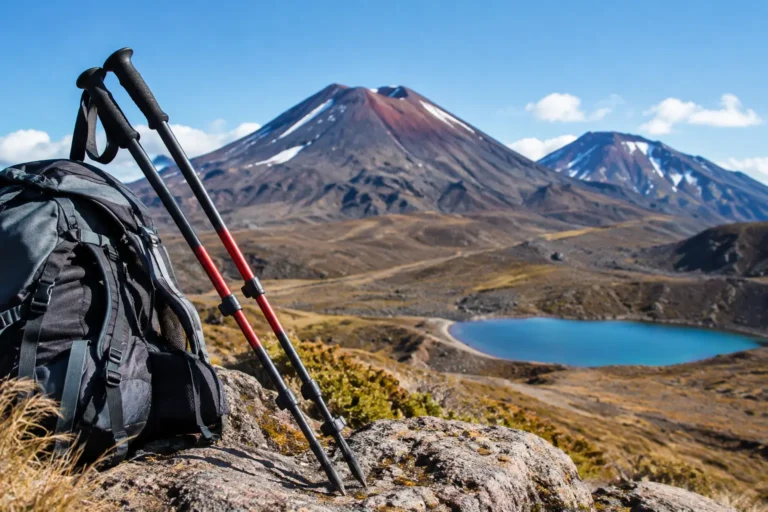
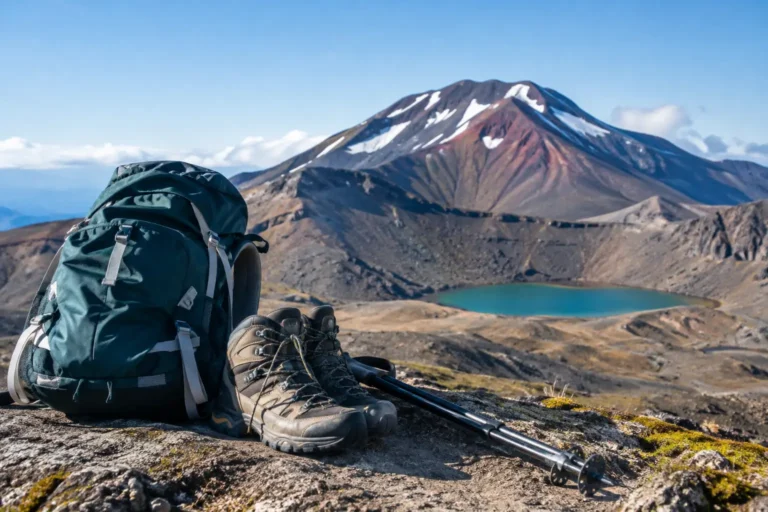
For a Tongariro Alpine Crossing day, think in terms of comfort and self-sufficiency. A fitted day pack gives you room for water, food, extra layers and your personal essentials without moving around as you walk. Good hiking footwear provides support over uneven ground, while walking poles can make a real difference on long climbs and descents, particularly if you are new to full-day walking or carrying a heavier pack.
For shorter walks, a smaller pack and lighter setup may be all you need. Families often appreciate hiring the pieces that make the day easier – practical packs, weather-ready clothing and suitable footwear – rather than buying specialist items for a single holiday. The right setup should support your plans, not turn a relaxed walk into an expedition.
Summer in the central North Island can bring bright sunshine, cool wind, mist and rain across the same day. That is part of the appeal of an alpine landscape, and it is why adaptable layers are more practical than one heavy garment.
Start with a breathable base layer and add a warm mid-layer you can put on during breaks or when the temperature drops. A waterproof outer layer belongs in the pack even when the morning looks settled. Avoid cotton for active walking where possible, as it holds moisture and can feel cold once you stop moving. Quick-drying hiking clothing is a better option for a long day on the track.
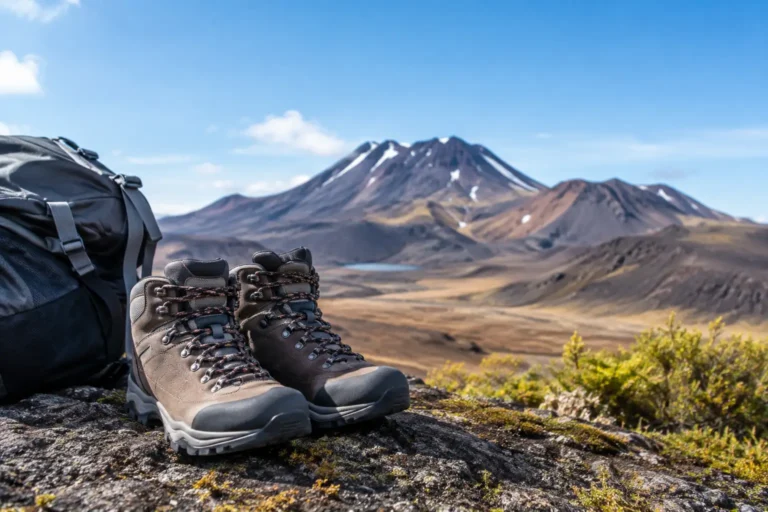
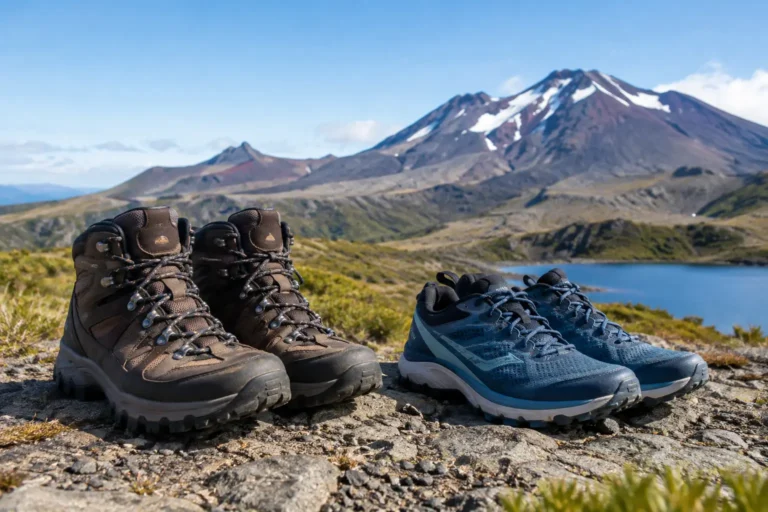
Footwear deserves proper attention. Hiking boots should feel secure at the heel, leave room at the toes and be worn with the socks you intend to walk in. A boot that feels fine while standing can feel very different after several hours of downhill walking. Take time to walk around in them, use the stairs if available, and tell the staff about any pressure points before leaving.
A practical day pack should carry weight close to your back, with shoulder straps that sit evenly and a hip belt that takes pressure off your shoulders. If you have never adjusted a hiking pack before, ask for help. A few minutes spent getting the fit right is worthwhile on a long walking day.
Your personal supplies are just as important as hired equipment. Take enough food and water for the full day, plus a little extra. Bring sun protection, including sunscreen and sunglasses, as volcanic terrain can feel exposed even when the air is cool. Keep your mobile charged, carry any medication you need, and check current track information and transport arrangements before heading out.
The precise amount of clothing and water depends on the route, forecast, your pace and the people in your group. A family on a short track can travel lighter than a party committing to the Crossing, but everyone benefits from having a warm layer and waterproof protection close at hand.
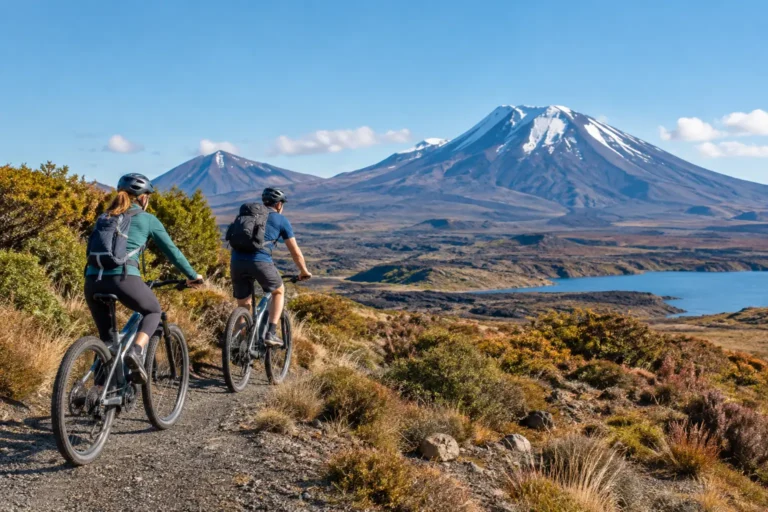
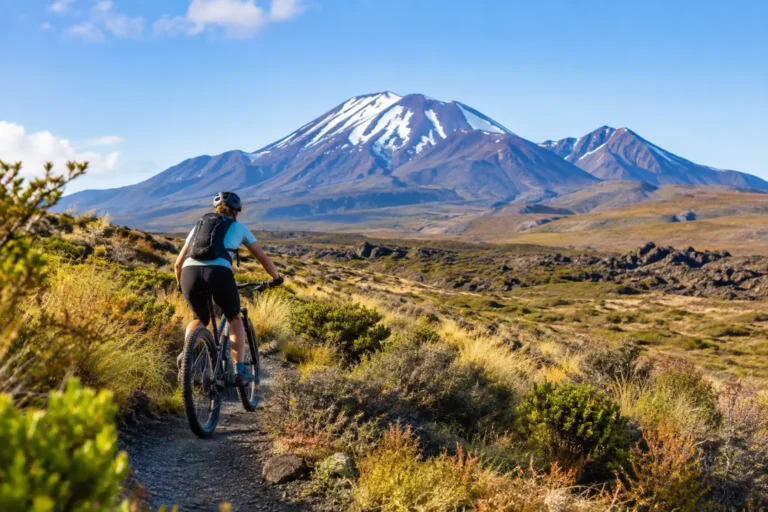
E-bike hire makes it easier to cover more ground around National Park Village without needing to be a dedicated cyclist. It is a strong option for couples, groups with mixed fitness levels and visitors who want an active day without spending every climb out of the saddle.
The best e-bike is not necessarily the most powerful one. It is the one that fits the rider, feels stable and has enough battery for the planned route. Seat height, handlebar position and helmet fit all affect confidence, especially for riders returning to cycling after a break. Before setting off, make sure you understand the controls, assistance levels, brakes and how to look after the battery.
Be realistic about distance. Higher assistance settings use more battery, while hills, loose surfaces, rider weight and cooler temperatures can also affect range. Choose a route with time to spare and keep an eye on the battery display rather than leaving it until the end of the day. If you are riding as a group, plan around the least experienced rider and agree on meeting points before you go.
Helmets are essential, and closed footwear is the sensible choice for comfort and control. Pack water, a warm layer and rain protection, particularly if your route takes you beyond the village. A relaxed ride with regular stops is usually a better way to enjoy the scenery than treating an unfamiliar trail like a race.
Camping is one of the best ways to slow down and enjoy the area after the day visitors have headed home. Hiring camping equipment can be particularly useful for international travellers, families travelling light, or anyone adding a night outdoors to a wider New Zealand itinerary.
A suitable tent, sleeping setup and cooking gear give you the basics, but think through the whole evening. You will also need food storage, lighting, warm clothing and a plan for keeping wet gear separate from dry gear. If you are unfamiliar with a tent style, set it up with staff guidance or allow time to practise before reaching camp. That small bit of preparation makes arrival much more enjoyable.
Choose equipment according to the number of people sharing it and the conditions expected. A compact tent may be ideal for a pair travelling light, while a family usually values extra interior space and room for bags. Be honest about your vehicle space too. A larger setup can be more comfortable, but it needs to fit your travel plan.
Transport is often the detail that shapes an otherwise excellent hiking day. The Tongariro Alpine Crossing is not a simple out-and-back walk, so many visitors need to organise a shuttle or transport ticket that matches their intended start point, finish point and walking pace.
Confirm the departure location, check-in time and what happens at the end of the track. Aim to be ready the night before with your bag packed, footwear sorted and breakfast plan in place. An early start is far more relaxed when you are not trying to adjust a pack or find a spare layer at the last minute.
For other walks and rides, consider whether you need your own vehicle, a drop-off, or a return plan. Local staff can help make sense of the practical details and point you towards equipment that matches your route. The Alpine Centre has supported outdoor visitors in the area for decades, so it is a good place to begin when you want local advice alongside your hire gear.
Rental equipment works best when it is treated as part of trip planning, not a quick collection job. Allow enough time to try on boots, adjust packs and ask how each item works. If you are travelling with children, bring them in for fitting rather than estimating sizes from memory.
Tell staff where you are going, whether you have walked or ridden recently, and what you are carrying. That information helps them recommend a setup that is comfortable and appropriate, rather than simply handing over the most technical option. Experienced hikers may prefer a lighter, familiar arrangement; first-time walkers may value poles, extra layering advice and a careful pack fit.
Check each item before leaving. Make sure zips work, buckles are adjusted, lights are charged where relevant, and you know what is included with the hire. Keep your receipt and return time handy, particularly if your day may run close to closing time.
A little local knowledge and properly fitted equipment give you more freedom to enjoy the trail, the ride or the campsite. Choose the activity that suits your group, prepare for a full day outdoors, and leave room in the plan to stop and appreciate what makes Tongariro special.