Stay Up To Date With Slidebuys
Get in-store discounts, giveaways, tips, and useful advice by joining our Slide buys customer rewards & newsletter for free.
[yikes-mailchimp form="1"]
Choosing hiking boots versus trail shoes for Tongariro tracks? Match your footwear to terrain, weather, pack weight and the way you like to walk safely.
A great walk starts from the ground up. When choosing hiking boots versus trail shoes, the best option is the one that suits your track, your pack, the forecast and your own walking style. Around Tongariro National Park, that can mean supportive boots for a full alpine day, or light trail shoes for a well-formed track and a quicker pace.
Neither choice is automatically better. Good footwear should help you move comfortably and confidently for the whole day, rather than simply looking the part at the trailhead.
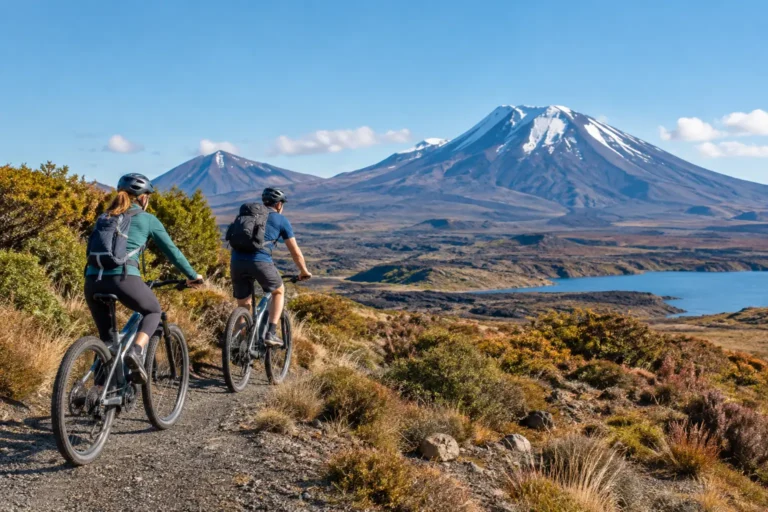
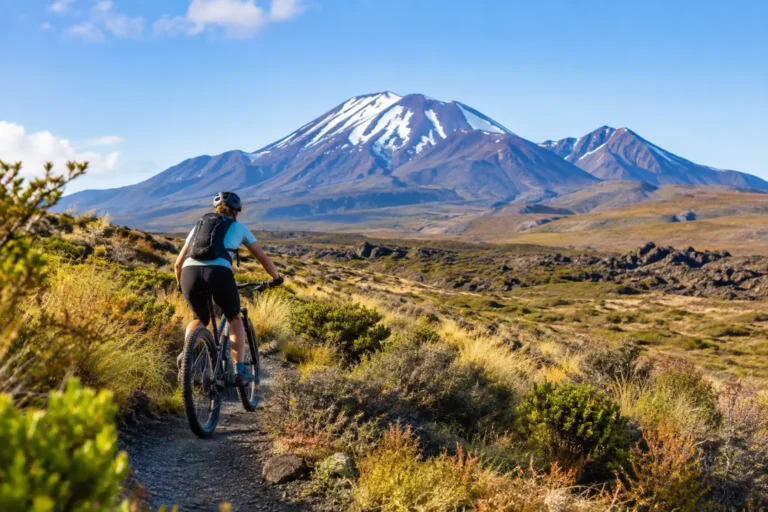
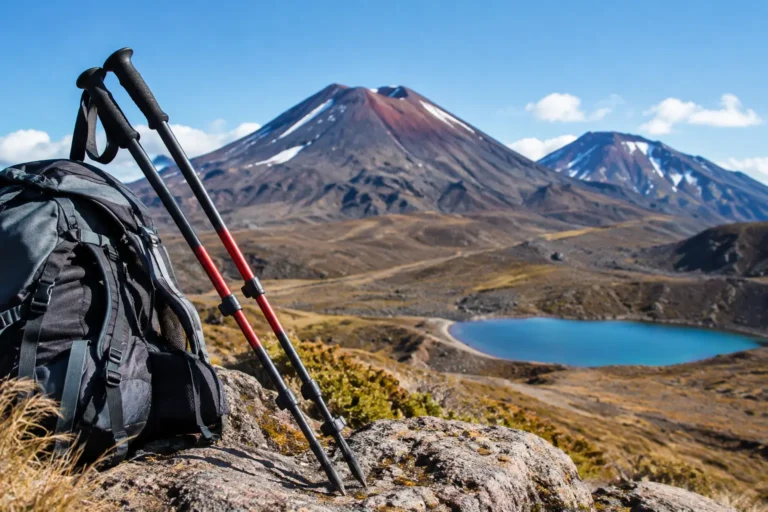
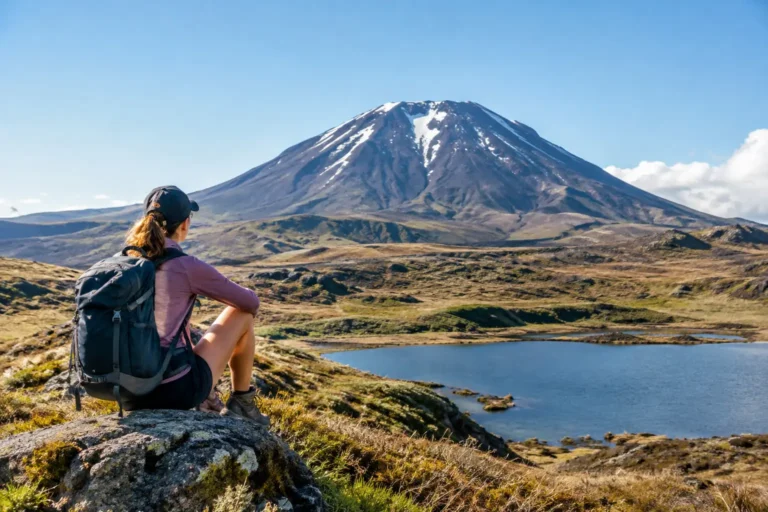
Tongariro National Park offers a wide range of walking country. There are gentler village and forest walks, uneven volcanic tracks, and long exposed alpine routes such as the Tongariro Alpine Crossing. A pair of shoes that feels perfect on one can be less suitable on another.
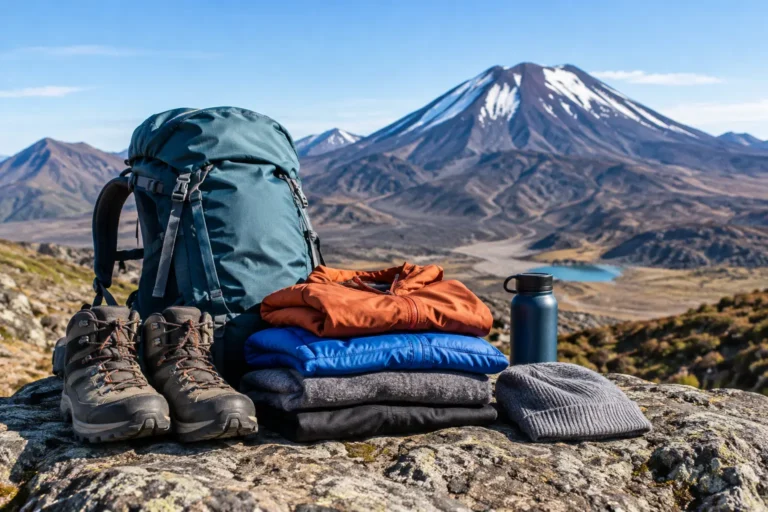
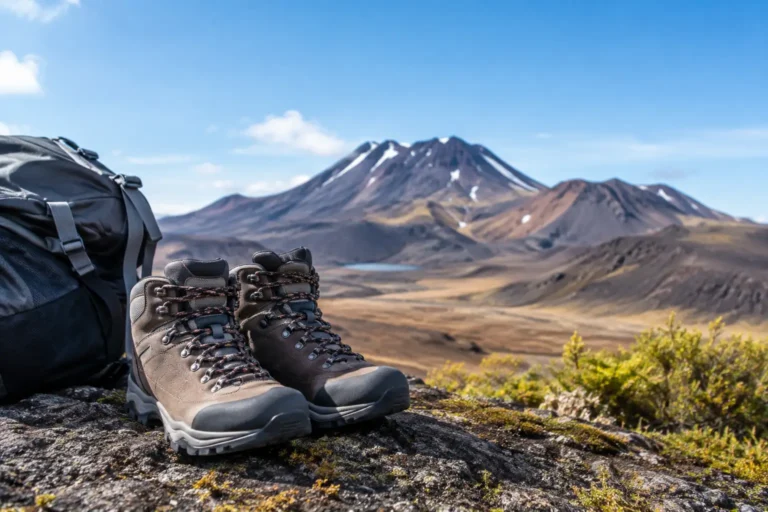
Hiking boots are built for support, protection and steadiness over variable ground. They usually have a firmer sole, deeper tread and more structure through the upper. Many models rise over the ankle, although low-cut hiking shoes are also available. Trail shoes are lighter, more flexible and designed to move quickly and naturally. They often feel closer to running shoes, but with grippier outsoles and tougher materials.
The decision comes down to the conditions you expect to meet and how your feet respond after several hours on the move. It is not a test of experience. Plenty of capable walkers prefer trail shoes, while plenty of regular hikers choose boots for the security and comfort they provide.
A supportive hiking boot is often a sensible choice for a full-day alpine walk, especially when the track includes loose scoria, rock, steep climbs or long descents. The firmer platform can reduce how much your foot twists on uneven surfaces, while a stiffer sole spreads pressure more evenly underfoot.
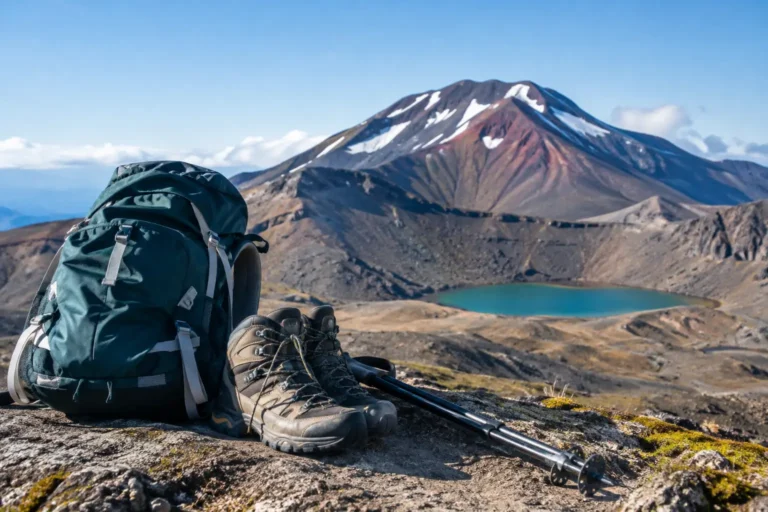
Boots also come into their own when you are carrying more weight. An overnight pack, extra food, water and layers can change the way your body moves. More structure around the foot and ankle can make a long day feel more controlled, particularly if you are not used to walking with a loaded pack.
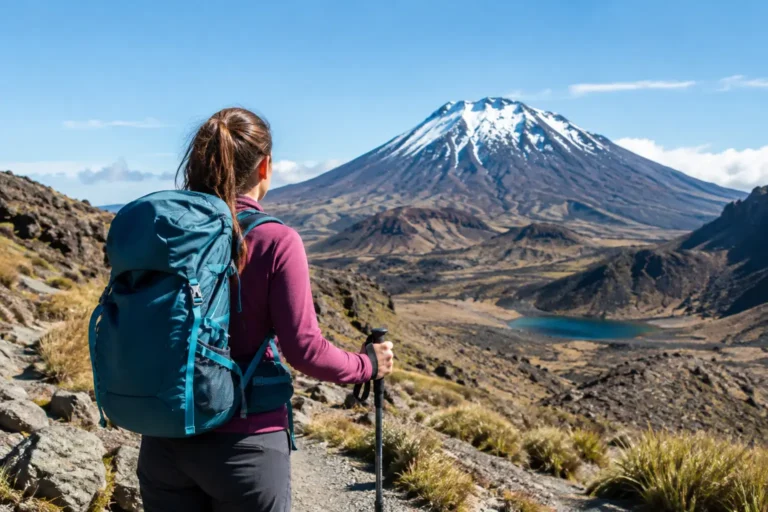
For many visitors completing the Tongariro Alpine Crossing, boots are a comfortable all-round option. The route is long and the terrain changes throughout the day, from formed track to volcanic ground. A properly fitted boot with a reliable tread gives you a stable base without asking your feet to work quite as hard.
Waterproof boots can be useful in wet grass, puddles and changeable mountain conditions. However, waterproofing has a trade-off: once water gets over the top, a waterproof boot can take longer to dry. They can also feel warmer in mild conditions. Choose waterproof footwear when the likely conditions and your preferred level of weather protection justify it, rather than assuming it is essential for every walk.
Trail shoes are an excellent option for walkers who value a lighter stride and already know they are comfortable in low-cut footwear. With less weight on each foot, they can feel noticeably easier over distance. Their flexible construction also allows more natural movement, which suits many people on well-maintained tracks.
They are particularly well suited to shorter day walks, dry conditions and walkers travelling light. If you are exploring lower-elevation trails, taking a scenic walk near National Park Village, or covering a known track at a steady pace, trail shoes may be all you need.
Many experienced hikers also use trail shoes for longer routes. The key is preparation. They tend to work best when your feet and ankles are accustomed to them, the sole has enough grip for the terrain, and you are happy managing a little more movement underfoot. A trail shoe with a protective toe bumper and a moderately firm midsole can offer a useful middle ground.
Trail shoes are usually more breathable than boots, which is welcome on warmer days. They also dry more quickly after a shower or stream splash. In return, they offer less protection from sharp rocks and less support when the track is rough or your pack is heavy.
It is easy to assume that a higher boot automatically prevents ankle rolls. In practice, stability comes from several things working together: a secure heel fit, a sole that matches the terrain, good balance, walking fitness and careful foot placement. A tall collar can provide a reassuring feel and some protection from scrub and grit, but it is not a substitute for a boot that fits properly.
Likewise, a low-cut trail shoe is not automatically unsuitable for uneven ground. If it grips well, holds your heel in place and is familiar to your feet, it can perform brilliantly. The important question is whether it gives you enough confidence and comfort for the specific route ahead.
Try footwear on with the socks you intend to walk in. Your toes should have room to move without sliding forward, especially on descents. Your heel should stay firmly in place as you walk. A little extra room at the front is useful because feet commonly swell during a long day.
On volcanic terrain, outsole grip matters. Look for a sole with defined lugs that can bite into loose surfaces and shed mud. Very soft, shallow-tread running shoes may feel fine on pavement but can be less assured on scoria, wet rock or uneven track.
Cushioning is more personal. A highly cushioned trail shoe can soften the feel of long, repetitive kilometres, while a firmer hiking boot can feel more planted when the ground is rough. Neither is right for everyone. If possible, walk around in both styles and pay attention to where you feel pressure, how stable you feel through the heel, and whether your foot flexes comfortably at the forefoot.
Toe protection is worth considering on rocky tracks. Boots generally provide more coverage, but many trail shoes have reinforced toe caps. This small feature can make a real difference when tired feet meet an unseen rock late in the day.
Your walking footwear should fit into a wider day plan. For a Tongariro outing, think about the forecast, the track distance, expected pace, transport timing and the gear you will carry. More water, food and warm layers can mean a heavier pack than expected, which may point you towards boots.
Breaking in new boots is also part of the plan. Wear them on local walks before relying on them for a big day. New footwear should feel secure and comfortable from the start, but a few shorter walks help your feet and the materials settle in together. Trail shoes usually need less break-in time, though they still deserve a proper test before a major hike.
Socks deserve equal attention. A well-fitting hiking sock manages moisture, reduces friction and helps fill the shoe correctly. Avoid thick socks simply for the sake of thickness – the best pair is one that works with your footwear without creating pressure around the toes or heel.
Choose hiking boots if you want more underfoot protection, are carrying a heavier pack, expect rough or variable terrain, or simply feel more confident with a structured shoe. Choose trail shoes if you are travelling light, walking mainly on well-formed trails, prefer a nimble feel and have already built comfort in low-cut footwear.
If you sit somewhere between the two, consider a light hiking shoe or a mid-cut boot. These options can provide more protection than a trail shoe without the weight and stiffness of a traditional leather boot. There is no prize for choosing the heaviest footwear, just as there is no advantage in going ultra-light if your feet are asking for more support.
Before heading out, take a few minutes to check fit, tread and the day’s conditions. The team at The Alpine Centre can help visitors compare footwear options in person and choose gear that makes sense for the walk they have planned. When your shoes feel right from the first steps, you are free to give more attention to the volcanic landscape, the changing views and the good company beside you.