Stay Up To Date With Slidebuys
Get in-store discounts, giveaways, tips, and useful advice by joining our Slide buys customer rewards & newsletter for free.
[yikes-mailchimp form="1"]
Use this national park biking guide to choose Tongariro-area rides, pack smart, read conditions and enjoy a confident day on two wheels with local tips.
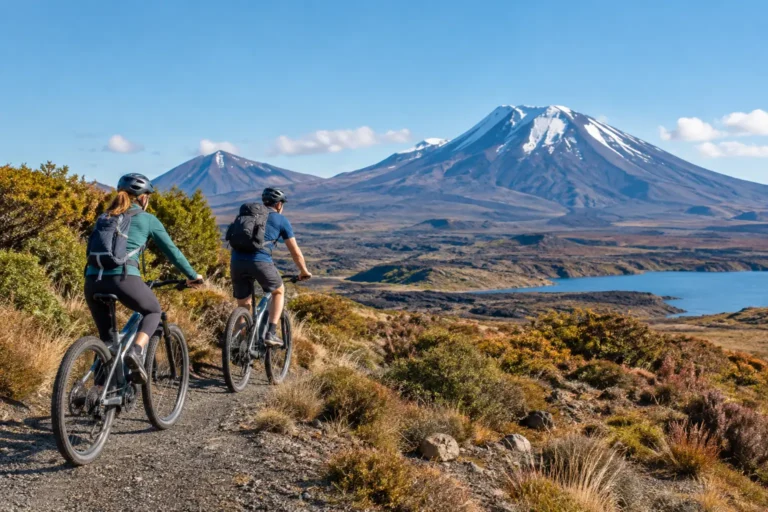
A bike opens up a brilliant side of the central North Island: quiet back-country roads, old rail formations, native forest and wide views towards the volcanic plateau. This national park biking guide is designed for riders staying in and around National Park Village who want to choose a suitable route, arrive prepared and make the most of a day on the trails.
The key is matching the ride to the day you actually have. Around Tongariro, a short family outing, a relaxed e-bike mission and a rough all-day back-country ride can all sit within a relatively small area. Distance alone does not tell the full story. Surface, weather, remoteness, climbing and transport arrangements matter just as much.
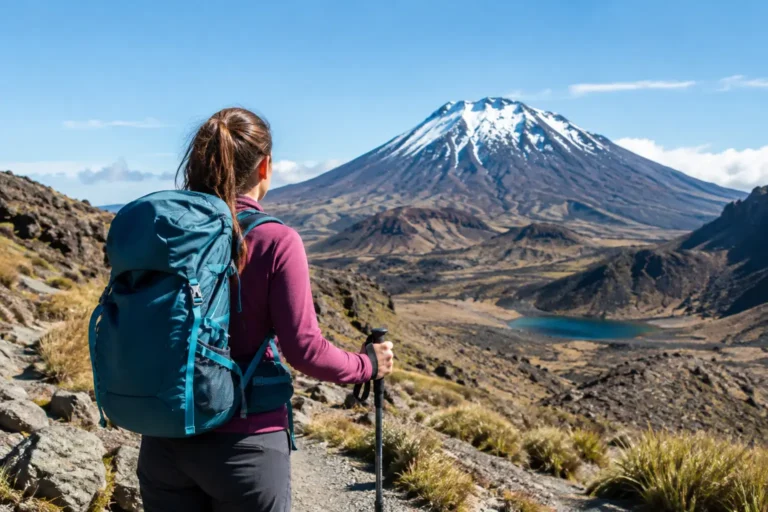
Tongariro National Park is best known for its walking tracks and volcanic landscapes, but cycling access within the park itself is limited. Bikes belong on roads and routes specifically open to cycling, rather than on walking tracks. The Tongariro Alpine Crossing, for example, is a walking route, not a bike trail.
The good news is that the wider Tongariro and Ruapehu area has excellent riding nearby. The Old Coach Road is a popular choice for visitors who want history, scenery and a clear, rewarding route without committing to a full day in the back country. This former rail corridor includes heritage features, forest sections and a generally approachable grade, although conditions under wheel can vary with the season and recent weather.
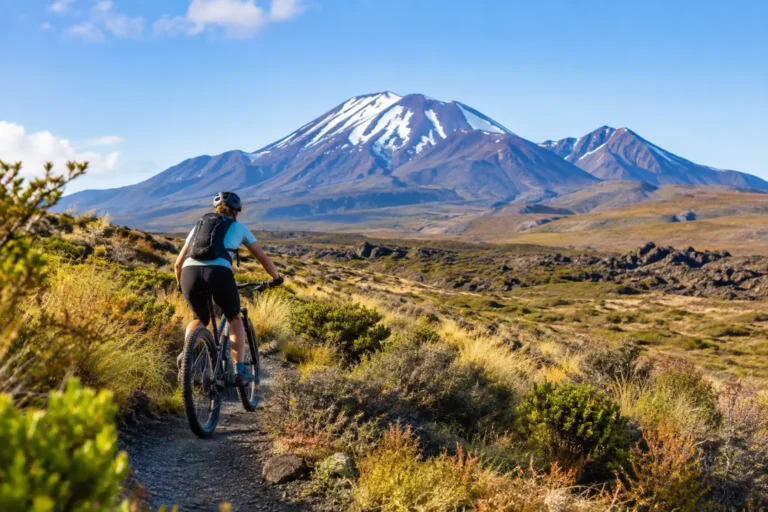
For a longer and more rugged outing, the 42 Traverse is a classic central North Island ride. It is a genuine back-country experience, with a mix of gravel road, four-wheel-drive track, mud, loose rock and river or stream crossings depending on conditions. It suits confident mountain bikers with sound fitness, capable bikes and enough time to deal with a slower-than-expected day.
Fishers Track and other local forest routes can also appeal to experienced riders looking for less polished terrain. These are not routes to treat as a casual spin from town. Before setting off, check current access, track condition, weather, transport options and whether your planned finish point is practical for your group.
If you are travelling with children, newer riders or people who simply want a gentler day, look for shorter sections of established cycle routes or flatter local paths. A return ride lets everyone turn around when they have had enough, and removes the complication of collecting a vehicle at the far end.
A capable rider on a hardtail mountain bike may enjoy a long gravel and forest route that would be tiring or uncomfortable on a hybrid. Likewise, an e-bike can make climbing more enjoyable, but it does not turn a remote, technical track into an easy ride. Battery range, bike weight, tyre grip and rider confidence still count.
Be honest about the least experienced person in the group. A route that leaves everyone with energy for a hot drink and a walk around the village is often the better holiday memory than one that becomes a race against daylight.
The volcanic plateau has a mountain climate. A bright start can give way to wind, rain or a sharp drop in temperature, particularly outside summer. Trails can also change quickly after rain, with puddles, soft ground, washouts and slippery roots or rocks becoming part of the ride.
Check the forecast for the specific area you are riding, not just a general regional forecast. Look at wind as well as rain, and consider the temperature at the start and finish of the day. In cooler months, frosty shaded sections may linger well into the morning.
Track and road condition checks are equally worthwhile. Forestry work, storm damage, seasonal closures and river levels can alter a plan. If a route is beyond your group on the day, choosing a shorter alternative is good outdoor judgement, not a missed opportunity.
Start earlier than you think you need to. That gives you time for photo stops, mechanical adjustments and the unhurried pace that makes a back-country ride enjoyable. It also means you are less likely to finish in fading light, when temperatures tend to fall quickly around National Park Village.
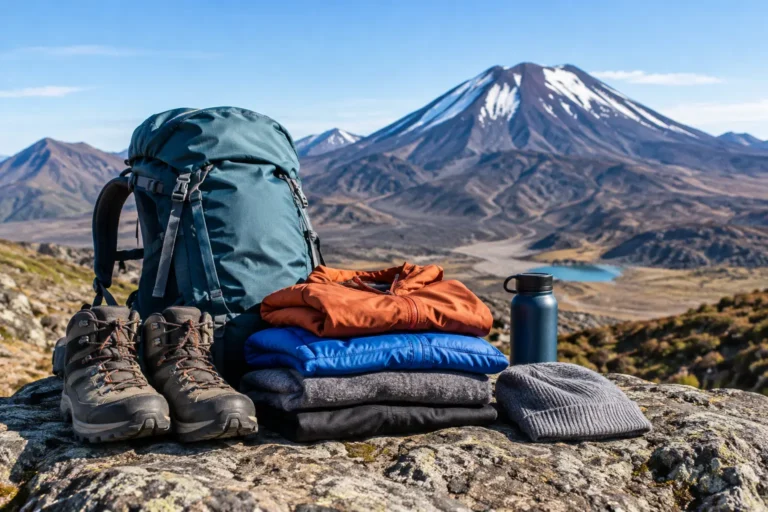
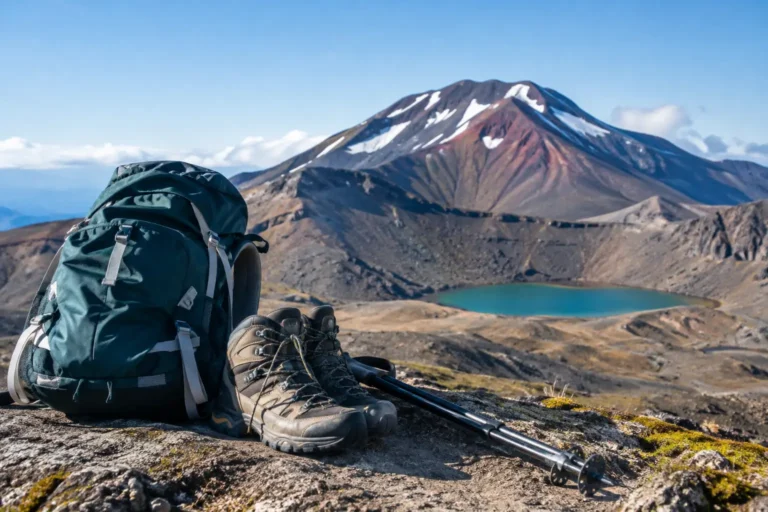
A small day pack makes a big difference on the longer local routes. Even riders heading out under blue skies should carry a warm layer and a rainproof outer layer. The area is exposed in places, while forest sections can feel cool and damp.
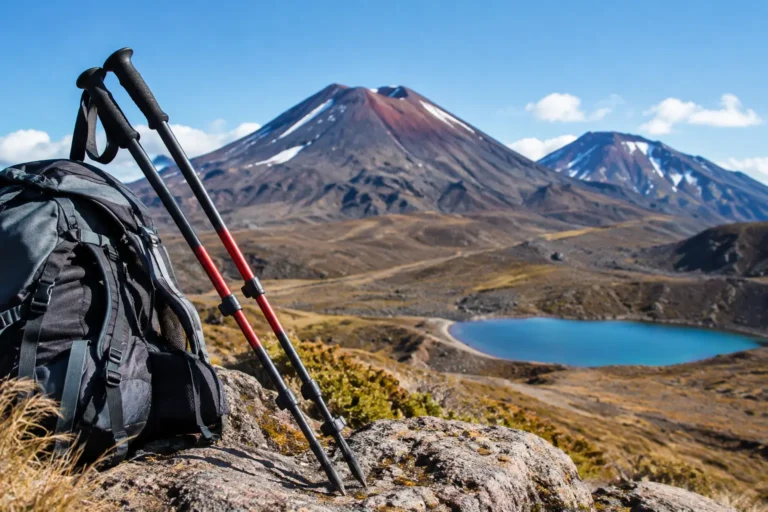
For a typical Tongariro-area ride, take water, high-energy food, a charged mobile, a basic first-aid kit, sunscreen and a map or offline route information. A helmet is essential. On rougher trails, gloves and eye protection improve comfort, while a spare tube, pump, tyre levers and a multi-tool can turn a simple interruption into a quick roadside fix.
Carry more water and food than you would for the same distance near a city. Shops, shelter and reliable mobile reception may be a long way apart. If you are riding an e-bike, begin with a full battery and understand the range for the route, including the effect of climbing, cold weather and higher assistance settings.
The Alpine Centre can help riders sort suitable bike hire and practical local gear advice before they head out. A properly fitted bike and helmet are particularly valuable if you are unfamiliar with uneven gravel, forest tracks or changing alpine weather.
Many of the best rides in the region work as one-way trips. That makes transport part of the ride plan, rather than an afterthought. Decide who will drive, where vehicles can be safely left, and how the group will return from the finish.
A two-vehicle set-up can work well for self-sufficient groups, but it adds time at both ends of the day. For visitors without a vehicle, a local shuttle arrangement may be the simpler option where available. Confirm pick-up points, timings and bike capacity in advance, especially during busy holiday periods.
Keep a simple fallback plan too. If weather closes in or the group is moving slowly, know where you can safely exit or shorten the route. This is especially useful on rides with long stretches between road access points.
The trails around Tongariro pass through places with strong cultural, environmental and recreational value. Staying on designated routes protects vegetation and helps keep access available for riders. Avoid skidding through soft sections, give walkers plenty of room, and slow down when passing horses or family groups.
Take all rubbish with you, including food wrappers and broken bike parts. Clean mud and seeds from tyres and shoes before moving between trail areas where possible, as this helps reduce the spread of pests and plant disease.
On shared tracks, a friendly greeting and clear communication go a long way. Let people know when you are approaching, pass at a controlled speed and remember that uphill riders or walkers may have limited space to move aside. The best rides feel welcoming to everyone using the trail.
Biking works especially well as part of a wider stay in National Park Village. Use an easier ride to loosen up before a major walk, or choose a longer trail day after the Tongariro Alpine Crossing rather than trying to pack both into one schedule. Your legs will thank you for giving each experience its own time.
For many visitors, the most enjoyable plan is simple: choose a route that suits the group, prepare for mountain conditions and leave enough room in the day to stop and take in the landscape. Around Tongariro, the ride is not only about reaching the finish – it is a chance to travel through a part of the plateau that is best appreciated at bike pace.